
The Myths That Keep People From Getting Help in Time
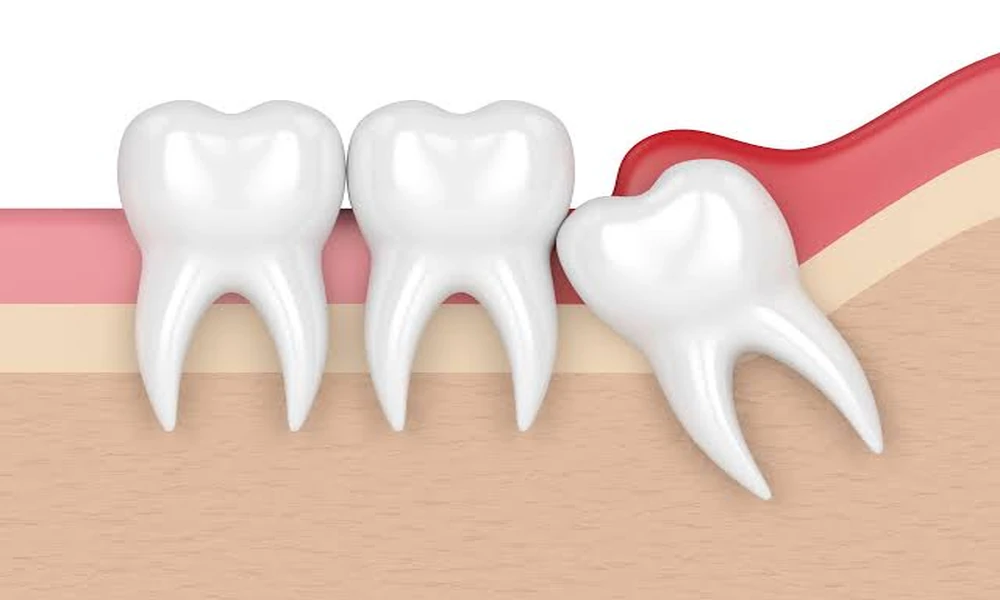
Putting off a wisdom tooth problem rarely makes it disappear. Left alone, an impacted tooth can shift neighboring teeth, trap bacteria against the gum line, and quietly damage bone that takes far longer to heal than the original issue would have. Many patients wait months or years past the point where removal would have been simple, and by the time pain forces the decision, the procedure is more complicated and recovery takes longer. The stakes rise with every delay, not because dentists exaggerate the risk, but because wisdom teeth sit in a part of the jaw where small problems compound quietly.
A lot of the hesitation comes from outdated assumptions passed between friends and family rather than from anything a dentist actually said. One common belief is that wisdom teeth only need to come out if they currently hurt, which ignores the fact that impacted teeth often cause silent damage long before pain shows up. Another is that the recovery will mirror a cousin’s bad experience from fifteen years ago, as though anesthesia, surgical technique, and pain management haven’t changed at all since then. People also assume that if a tooth has partially erupted and looks fine on the surface, it’s not worth worrying about, when partial eruption is actually one of the more common setups for infection.
Sorting Useful Guidance From Internet Folklore
Good outcomes with wisdom teeth tend to come down to timing and preparation rather than luck. An oral surgeon who reviews imaging early can usually tell whether a tooth is trending toward trouble, which gives a patient options instead of forcing an emergency decision later. Scheduling extraction before a tooth becomes symptomatic generally means a shorter procedure, less swelling, and a faster return to normal eating and talking. This is the opposite of the common idea that it’s better to wait until something clearly hurts before acting.
Recovery also goes more smoothly when patients follow specific, individualized instructions rather than generic advice found online. Ice packs, soft foods, and rest matter, but so does avoiding straws, smoking, and vigorous rinsing in the first few days, since those habits can dislodge the blood clot that protects the healing socket. Patients who ask detailed questions before surgery, about anesthesia type, expected swelling, and pain management, tend to feel less anxious and recover with fewer surprises. The surgeons who get the best results are usually the ones who take time to explain what’s actually happening in the jaw, not just what will happen in the chair.
Choosing the Right Team and Timing for Removal
Finding the right provider matters as much as the procedure itself. A practice that specializes in oral surgery for wisdom teeth will typically have more experience reading subtle signs on an X-ray, like a tooth angled toward a nerve or crowding a molar root, that a general dentist might flag but not fully evaluate. oral surgery for wisdom teeth from a team that handles these cases routinely tends to come with clearer communication about anesthesia options, realistic recovery timelines, and what symptoms would warrant a follow-up call. That kind of specificity reduces the guesswork that makes patients anxious in the first place.
Applying all of this in practice starts with getting an evaluation before pain becomes the deciding factor. A panoramic X-ray in the late teens or early twenties can reveal whether wisdom teeth have room to erupt normally or are likely to cause problems down the line. If removal is recommended, scheduling it during a period with a few days of downtime, rather than squeezing it between work obligations, makes a noticeable difference in how smoothly recovery goes. Patients who treat the consultation as a chance to ask real questions, rather than a formality before surgery, tend to walk into the procedure with less anxiety and a clearer sense of what to expect afterward. The goal is to make the decision on your own timeline instead of being rushed into it by an infection or sudden pain.