
Key Takeaways
Prenatal postpartum massage can significantly speed up physical recovery following childbirth. By addressing muscle tension and increasing circulation, it supports the healing of strained tissues.
Many women who receive postpartum massage find that their pain and discomfort diminish, leading to improved overall comfort and better quality of sleep.
Evidence indicates that regular massage may help reduce symptoms of postpartum depression through the release of oxytocin and endorphins, both of which promote emotional well-being and enhance bonding with the baby.
Massage sessions incorporate a variety of techniques – from Swedish methods for relaxation to deep tissue work that alleviates tension – customized to the client’s unique stage of pregnancy or recovery.
Throughout pregnancy and the postpartum period, safety remains a top priority in massage therapy. Therapists adjust their techniques based on individual comfort and needs, often utilizing supportive equipment when required.
It’s generally suggested to begin prenatal massage in the second trimester, while postpartum massage usually starts about two weeks after birth, allowing for personalized care as recovery unfolds.
When selecting a massage therapist, clients should consider those with specialized training in prenatal massage, along with checking their experience through client reviews and recommendations.
Discover the Top Benefits of Prenatal and Postpartum Massage
How Massage Supports Physical Recovery After Birth
Receiving prenatal postpartum massage can significantly accelerate physical recovery after childbirth. Pregnancy places a strain on the body; muscles tighten, joints shift, and tension builds up in unexpected places. Expert massage therapists are adept at targeting these areas for optimal relaxation. They employ techniques to enhance circulation, which is vital for healing tissues that may have been stretched or strained during labor.
Research has shown that postpartum massage therapy can lead to decreased pain and discomfort for women after delivery. Sounds surprising? It makes sense, actually. The hands-on manipulation improves blood flow, decreases soreness, and enhances overall comfort. For those contending with issues like diastasis recti or pelvic pain, this is particularly valuable. Additionally, massage can significantly improve sleep quality, a precious commodity for new mothers seeking rest.
- Reduced muscle pain and tension
- Better circulation to aid healing
- Increased flexibility throughout the body
Boosting Emotional Well-being Through Targeted Therapy
Pregnancy and motherhood encompass a range of emotional experiences, not just physical ones. Many women face postpartum depression (PPD), which can be overwhelming. However, recent research highlights that regular massage sessions may effectively alleviate symptoms. Massage encourages the release of oxytocin, a hormone that fosters emotional bonding and well-being. Quite intriguing, isn’t it?
Furthermore, alongside oxytocin, endorphins are released during massage, promoting feelings of joy and relaxation. While massage is often thought of as a physical experience, its emotional benefits are just as impactful. This combined healing – physical and emotional – forms a strong support system for new mothers navigating the challenges of early parenthood.
- Reduced symptoms of postpartum depression
- Fostering emotional connections with the baby
- Enhanced relaxation and stress relief
What to Expect During a Prenatal and Postpartum Massage Session
Understanding the Techniques Used by Professionals
So, what can clients expect during a typical massage session? Gaining insights into the techniques employed can help ease apprehensions that expectant or new mothers might hold. Professionals often use a mix of methods tailored specifically for the unique needs of pregnancy and recovery. Swedish techniques promote relaxation, while deep tissue methods address tension. Some therapists also utilize myofascial release – a technique that manipulates soft tissue to relieve tightness. But there’s even more to it.
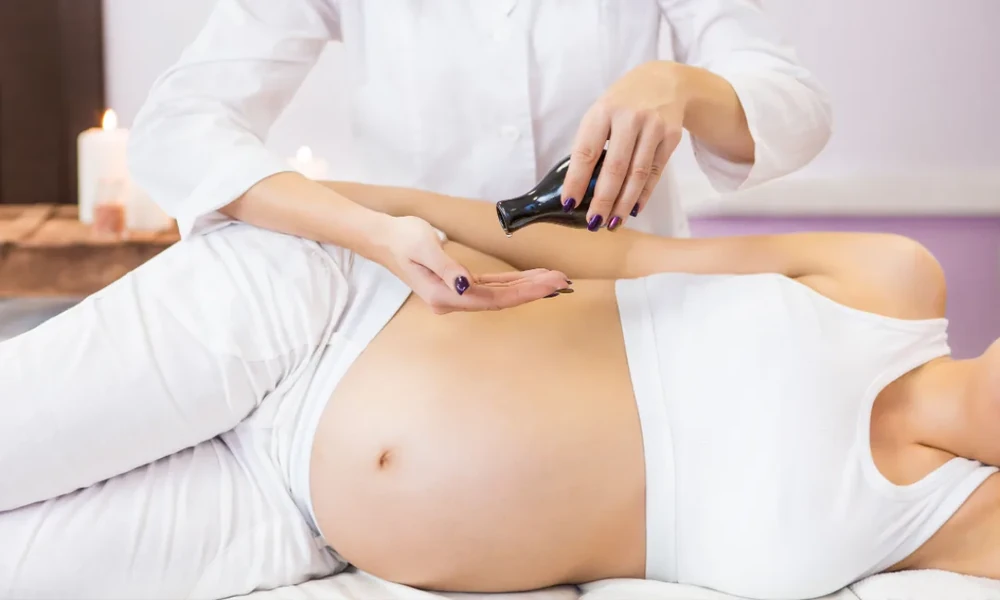
In addition, stretches may be integrated to enhance flexibility. Specific positions can ensure comfort for those who are pregnant or recently gave birth. Various essential oils often infuse prenatal postpartum massage, promoting warmth and ease throughout the experience. Many clients leave feeling mentally and physically revitalized.
- Combination of soothing Swedish and targeted deep tissue techniques
- Incorporation of stretches to improve flexibility
- Use of essential oils for added relaxation
Your Comfort and Safety: A Priority in Every Session
Ensuring safety is crucial in massage therapy during pregnancy and the postpartum phase. Well-trained therapists prioritize client safety by adapting their techniques according to the specific stage of pregnancy or recovery. For example, the approach taken for someone in their first trimester will differ from that of a recently postpartum client. Creating a comfortable environment is essential; therapists encourage open communication about any discomfort or concerns.
Often, various cushions or pregnancy pillows help ensure maximum comfort. This focused attention creates a calming atmosphere while fostering the essential dialogue needed for a successful massage session. When clients feel secure, it nurtures the bond between them and their therapist, enhancing the overall effectiveness of the massage.
- Open communication between therapist and client
- Supportive cushions and pillows for comfort
- Personalized techniques tailored to individual needs
Debunking Myths: Is Prenatal Massage Really Safe?
Common Misconceptions and Expert Insights
Misinformation about prenatal massage persists. Many individuals wonder whether it’s genuinely safe. What’s the truth, then? Experts clarify that massage can be tremendously advantageous. It not only alleviates discomfort but also boosts blood flow, reduces swelling, and promotes relaxation. A prevalent misconception suggests all forms of massage should be avoided during pregnancy, but this is misleading. Skilled, certified therapists understand what’s safe and appropriate for expectant clients, including recognizing contraindications.
“Prenatal massage is designed with safety in mind. The right techniques can foster well-being during a delicate time.”
Familiarizing oneself with which massage techniques are safe during pregnancy empowers women to access effective care without unnecessary worry. Consulting healthcare providers is always advisable when there’s uncertainty, promoting a holistic approach to health.
- Recognizing that massage can offer genuine benefits
- Understanding which techniques are safe during pregnancy
- Consulting healthcare professionals for personalized recommendations
When to Book Your First Appointment: Timing Considerations
Timing is vital for reaping the full benefits of massage therapy. Many experts recommend beginning prenatal sessions in the second trimester. At this point, the body typically adjusts to early hormonal changes, and discomfort levels often rise. Conversely, postpartum massage may start whenever the client feels ready, usually about two weeks post-birth. However, waiting longer can also be wise, particularly for those recuperating from a cesarean delivery.
Regular appointments during these critical periods allow therapists to tailor each session according to the client’s evolving needs. This layered approach can enhance overall comfort and fitness. Early intervention often plays a pivotal role. By integrating massage into a postpartum care plan, clients not only facilitate recovery but also lay a solid foundation for future self-care practices.
- Book prenatal massages during the second trimester
- Postpartum sessions may begin after two weeks
- Frequent appointments aid tailored care
Finding the Right Massage Therapist for Your Needs
Key Qualifications to Look for in Your Therapist
Choosing the right massage therapist requires careful consideration. Credentials are paramount. Seek out those with formal training in prenatal postpartum massage. Their expertise is crucial for ensuring that safe techniques are utilized. Certification in pregnancy massage confirms that a therapist has undergone specialized education. Experience truly matters; therapists familiar with the unique needs of expectant and new mothers bring invaluable insight.
Finding professionals with a strong record of positive outcomes is essential. Client reviews and testimonials carry weight; assessing both online feedback and personal recommendations can significantly guide choices.
- Verify credentials indicating specialized training
- Look for therapists experienced with prenatal care
- Seek out positive feedback from past clients
Questions to Ask Before Your First Prenatal or Postpartum Session
When considering a prospective therapist, asking the right questions becomes essential. What should clients focus on? Initially, inquire about the therapist’s experience with prenatal postpartum massage. Next, delve into the techniques they employ. It’s crucial to ensure their methods align with individual comfort levels. Some may also want to ask about the types of oils and lotions they use, as specific scents can evoke certain memories or emotions.
Inquiring about their approach to potential complications, such as swelling or prior cesarean deliveries, helps gauge the therapist’s expertise. A skilled therapist’s readiness to tackle concerns boosts the client’s trust and security. Investing the time to find a therapist suited to one’s needs can yield considerable benefits in healing and recovery.
- Ask about experience working with prenatal clients
- Inquire about preferred techniques and oils used
- Discuss any personal concerns or medical history
FAQ
Can prenatal postpartum massage aid in breastfeeding challenges?
Absolutely. Many professionals believe massage can help alleviate tension and discomfort related to breastfeeding. By promoting relaxation and enhancing circulation, mothers may find maintaining a comfortable and successful nursing routine easier.
How often should one schedule massage sessions postpartum?
The frequency of postpartum massage greatly depends on individual recovery needs and progress. Many experts suggest starting with weekly sessions and adjusting as comfort and evolving needs dictate. Consistency can enhance both physical recovery and emotional wellness.
Are there specific techniques beneficial for cesarean delivery recovery?
Yes, certain massage techniques can be particularly effective following a cesarean delivery. Gentle myofascial release around the scar tissue promotes healing and reduces discomfort. A qualified therapist might also concentrate on surrounding areas, encouraging overall recovery and flexibility.
Is there any research supporting the benefits of postpartum massage?
Research indicates that postpartum massage can significantly lower pain levels and alleviate symptoms of depression. Studies have shown that women who receive regular massage report enhanced emotional wellness and reduced physical discomfort, underscoring its multifaceted benefits for new mothers.
What is the ideal environment for a prenatal or postpartum massage?
The optimal massage setting should feel warm, private, and soothing, minimizing distractions. Incorporating calming music, dim lighting, and aromatherapy can enrich the experience, allowing mothers to relax and concentrate on their recovery.
Are there specific oils that should be avoided during pregnancy massage?
Yes, some essential oils can pose risks during pregnancy and ought to be avoided. Oils like sage, rosemary, and peppermint may not be advisable. Therefore, consulting with a qualified therapist regarding safe options tailored to personal needs is crucial.
How can massage therapy improve postpartum sleep quality?
Massage therapy encourages relaxation and reduces muscle tension, which can remarkably improve sleep quality for new mothers. By alleviating physical discomfort and triggering the release of sleep-promoting hormones, many women find they sleep more soundly after receiving massage.
What can be expected during the first prenatal massage appointment?
During the initial appointment, a therapist generally conducts an assessment to gauge individual needs and concerns. This first session often includes a discussion regarding techniques, medical history, and comfort preferences to create a personalized massage experience.