
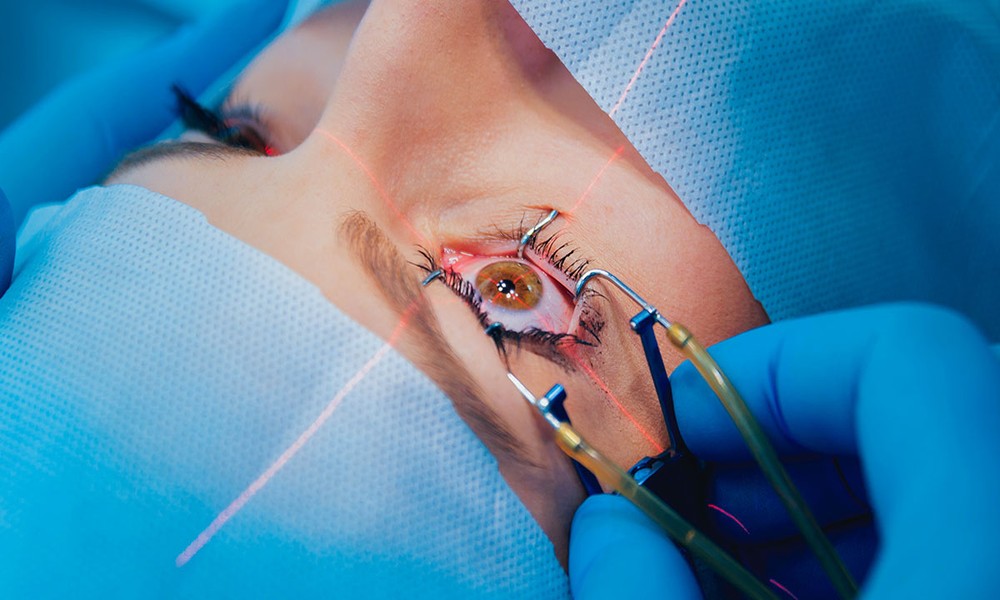
Choosing LASIK is a major decision for anyone who wants to reduce dependence on eyeglasses or contact lenses. While the procedure is widely known for helping improve vision, patients should understand that LASIK is still a medical procedure that requires proper screening, realistic expectations, and careful aftercare.
Before booking an appointment, it helps to know what usually happens before, during, and after surgery. This allows patients to ask better questions, prepare properly, and follow their eye doctor’s instructions with confidence.
Understanding LASIK as a Vision Correction Option
LASIK, or laser-assisted in situ keratomileusis, is a procedure that reshapes the cornea to help light focus more accurately on the retina. It may be recommended for certain patients with nearsightedness, farsightedness, or astigmatism, depending on their eye condition and overall suitability.
However, not everyone is automatically qualified. A detailed eye assessment is necessary to check corneal thickness, eye pressure, prescription stability, tear production, and general eye health. This screening helps determine whether LASIK is appropriate or whether another vision correction option may be safer.
Before Surgery: What Happens During the Consultation?
The first step is a comprehensive eye examination. Your eye specialist may check your vision grade, map the shape of your cornea, evaluate dryness, and review your medical history. Patients who wear contact lenses may be advised to stop wearing them for a certain period before testing because contacts can temporarily affect the shape of the cornea.
Questions to Ask Your Eye Doctor
During consultation, patients may ask about their eligibility, expected results, possible side effects, recovery timeline, and follow-up schedule. It is also important to discuss work routines, screen exposure, driving needs, and lifestyle activities.
This stage is also where many patients begin comparing options for laser eye surgery in the Philippines, especially when looking for a trusted clinic, experienced specialist, and clear pre-surgery guidance. The goal should not be to choose based on convenience alone, but on proper medical evaluation and patient safety.
During Surgery: What Patients Can Expect
LASIK is usually performed as an outpatient procedure, which means patients can go home after the surgery. Numbing eye drops are commonly used to reduce discomfort. The doctor then creates a thin flap on the cornea, uses a laser to reshape the underlying corneal tissue, and places the flap back into position.
Is LASIK Painful?
Many patients feel pressure during the procedure, but it is not usually described as painful because the eye is numbed. The actual laser portion is typically quick, although patients should remain still and follow the surgeon’s instructions carefully.
Patients may notice lights, sounds from the laser equipment, or temporary dimming of vision during the procedure. These can feel unfamiliar, but the doctor and clinical team will guide the patient throughout the process.
After Surgery: Immediate Recovery and First Few Days
After LASIK, vision may be blurry or hazy at first. Mild burning, dryness, light sensitivity, or a gritty feeling may also occur. Patients are usually advised to rest, avoid rubbing their eyes, and use prescribed eye drops as instructed. The FDA notes that patients are commonly asked to see their doctor within the first 24 to 48 hours after surgery and continue follow-up visits over the next months.
This is also the stage where people researching lasik philippines should pay close attention to aftercare support. A good LASIK experience is not only about the surgery itself; it also includes proper monitoring, clear instructions, and access to your eye care provider if symptoms feel unusual.
Common Recovery Reminders
Avoid Rubbing Your Eyes
Rubbing the eyes can affect healing, especially while the corneal flap is stabilizing. Use prescribed drops or artificial tears if your eyes feel dry, but follow your doctor’s specific instructions.
Limit Dust, Smoke, and Harsh Light
Patients may be advised to avoid dusty environments, swimming, heavy exercise, and eye makeup for a certain period. Sunglasses may help reduce sensitivity when going outdoors.
Follow Your Medication Schedule
Eye drops may be prescribed to reduce inflammation, support healing, or prevent infection. Skipping them can affect recovery, so follow the dosage and timing carefully.
Possible Side Effects to Discuss
Dry eyes, glare, halos, fluctuating vision, and night vision concerns may happen after LASIK. Mayo Clinic notes that dry eyes can occur during healing, and some patients may experience glare or halos, especially in low-light conditions. These symptoms often improve, but patients should report persistent or worsening issues to their eye doctor.
Final Thoughts: Better Vision Starts with Better Preparation
LASIK can be a valuable option for qualified patients, but the best results begin with proper preparation and realistic expectations. Before surgery, focus on getting a complete eye evaluation. During surgery, stay calm and follow your doctor’s guidance. After surgery, protect your eyes, attend follow-up visits, and take recovery instructions seriously.
For patients considering LASIK, the most important step is choosing a qualified eye specialist who can explain the benefits, risks, and limitations clearly. With the right guidance and aftercare, patients can make a more confident decision about their vision correction journey.