Choosing how to straighten your teeth can feel oddly emotional. You start with curiosity, then excitement, and suddenly, you are deep into comparison charts at midnight. All promise a better smile. But which one actually fits your life? Let us slow it down and sort through it, piece by piece.
Clear aligners and Invisalign braces are often talked about like two different things, but here is the twist: Invisalign is a type of clear aligner. It is just the most well-known one. Think brand vs category. That alone confuses a lot of people, honestly.
If you search the keyword – Invisalign aligners San Diego on the net, you will most likely run across Melanie Parker Orthodontics. Their approach focuses on detailed digital scans, custom planning, and making the whole process feel less intimidating. Patients often mention how personal the experience feels, not rushed, not salesy. That matters more than people admit.
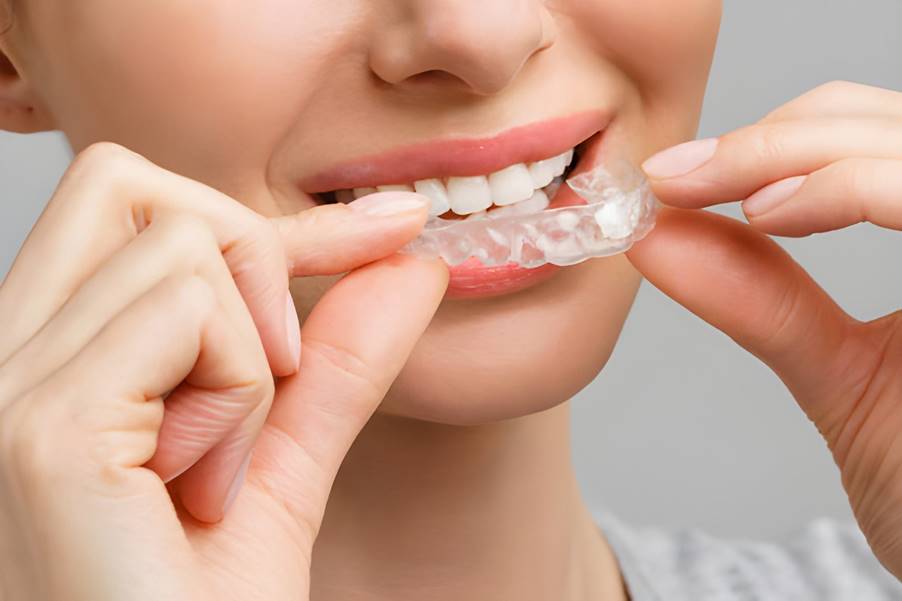
What Are Clear Aligners?
Clear aligners are:
- Thin, transparent trays
- Custom-made using digital impressions
- Swapped out every 1–2 weeks
- Designed to gently move teeth over time.
Invisalign aligners use proprietary SmartTrack material, which tends to fit more snugly and predictably. That is one reason orthodontists trust it for a wider range of cases.
Both options aim for the same result. Straighter teeth. Healthier bite. More confidence when you smile without thinking twice.
Pros:
Let us talk benefits, because there are many.
- They are discreet
- Most people won’t notice them
- Photos feel less awkward
- No shiny metal in meetings or events
- They are removable
- Eat what you want
- Brush and floss normally
- No food stuck in brackets
- Comfort is better for many
- No poking wires
- Fewer mouth sores
- Pressure feels gradual, not harsh
- Fewer in-office visits
- Check-ins are spaced out
- Helpful if your schedule is packed already.
Cons:
- Clear aligners are not magic. They need effort.
- Self-discipline is non-negotiable
- 20–22 hours per day
- Forgetting adds weeks to treatment
- Losing trays happens more than people admit
- Not ideal for every case
- Severe bite issues may still need braces
- Rotations and complex movements can be tougher
- Speech changes (briefly)
- Slight lisp for some people
- Usually fades in a few days
- Still annoying at first.
Invisalign vs Other Clear Aligners
Here is where Invisalign often stands out:
- More advanced tracking software
- Attachments for complex movements
- Long clinical history
- Higher orthodontist oversight.
Other aligners can work well too, especially for mild cases. The difference usually shows up in planning, predictability, and support.
Costs: Let us Talk Numbers
Pricing varies based on:
- Case complexity
- Length of treatment
- Location
- Orthodontist experience.
In general:
- Traditional braces: often slightly cheaper
- Clear aligners / Invisalign: similar or a bit higher
Payment plans and insurance can make a real difference, so it is worth asking early.
So, Which Should You Choose?
If you value:
- Subtlety
- Flexibility
- Easier hygiene.
Clear aligners might fit your lifestyle beautifully. If your case is complex or you don’t trust yourself to wear trays consistently, braces may still be the smarter route. Either way, a consultation matters more than online comparisons. A good orthodontist won’t push. They will explain. And that clarity? That is where confidence actually begins.